
The search for Beit She’an Weather is particularly important before a trip, as the valley is known for its extremely hot summers and intense heat waves. Even a short hike at an archaeological site or near a spring requires proper planning regarding timing, water, and equipment.
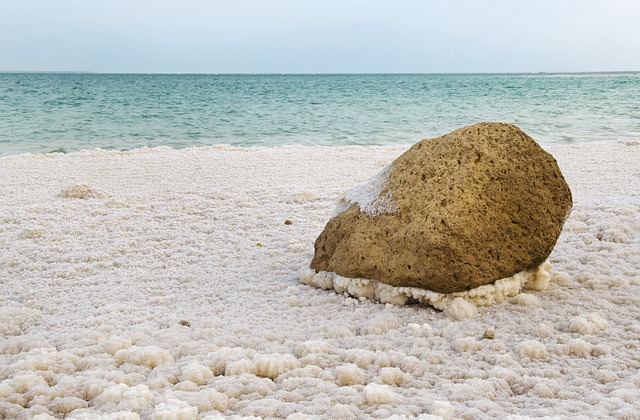
Beit She’an in Summer
From June to September, temperatures are very high, and during heat waves, they can become extreme. It is advisable to arrive early, avoid exertion at noon, and carry more water than usual. Archaeological sites often lack shade along the entire route.
Spring and Autumn
These are more comfortable seasons, but hot days can still occur. Spring is ideal for nature and springs, while autumn may remain summery until late. Check for heat stress, not just temperature.
Winter in the Valley
Winter days can be pleasant, but nights are colder with possible rain and wind. After rain, be cautious of slippery paths, mud, and strong currents in streams. Do not enter the water without permission and checking the site’s condition.
What to Take on a Trip?
Water, a hat, sunscreen, and good shoes are essential in any season. In summer, add a change of clothes if planning to visit a spring, and in winter, bring a warm layer and a light jacket.
Where to Check the Forecast?
Check the Israel Meteorological Service for heat stress and flood warnings. Additionally, check announcements from the Nature and Parks Authority or the site manager on the day of your visit.
Looking for more deals and travel updates?
Find the best flight deals with our search engine, continue reading on the Flight Hunter website, and join our WhatsApp group.