


Ferries in Greece are an essential part of any island holiday. They connect Athens to dozens of islands, let you hop from island to island and are sometimes the only way to reach destinations without flights. But the Greek ferry system isn’t a simple train line: there are several ports, different companies, fast and slow ships, seasonal timetables and boarding rules that vary by company and route.
In this guide you’ll find everything you need to know before booking a ferry in Greece: which port to depart from, how to choose between a fast and a conventional ferry, how early to arrive, what to do with luggage, how to board with a car, what happens when the sea is rough and how to plan an island route without wasting whole days on transfers.
The best-value way to book is with Flight Hunter after comparing the flight price, baggage, arrival times and the connection to your ferry. When planning an island holiday, check not only how much it costs to get to Athens, but also what time you land and how much time you have before sailing.
How Do Ferries Work in Greece?
Greece is made up of thousands of islands, hundreds of them inhabited. The ferry network connects the mainland to the islands and the islands to each other. Some routes run year-round, mainly to large islands and destinations with permanent populations, while many tourist routes run more frequently from spring to autumn.
Several companies may operate on each route. Each company has a different fleet, baggage policy, seating options and its own change and cancellation terms. Even when two ferries leave on the same day for the same island, sailing time and the onboard experience can be very different.
The schedule isn’t fixed all year. Companies publish routes gradually, and times sometimes change due to weather, operational decisions or seasonal changes. So recheck your booking and the company’s notices the day before and on the morning of departure.
Athens’ Ports: Piraeus, Rafina or Lavrio?
One of the most common mistakes is booking a ferry from “Athens” without checking which port it leaves from. There are three main ports in the Athens area, and they aren’t close to each other.
Piraeus Port
Piraeus is Greece’s largest and busiest port. Many ferries leave from here to the Cyclades, Crete, the Dodecanese, the North Aegean and other islands. The port is huge and divided into gates, so it’s not enough to arrive at the main entrance – you need to know in advance which gate your ship leaves from.
You can reach Piraeus by metro, suburban rail, bus or taxi. At rush hour the ride from central Athens or the airport can take longer, so leave a buffer and don’t rely on the most optimistic navigation time.
Rafina Port
Rafina is east of Athens and closer to the airport than Piraeus. It’s especially useful for sailings to Andros, Tinos, Mykonos and other Cyclades islands. For those landing and heading straight to an island, Rafina can save an unnecessary trip into central Athens.
Lavrio Port
Lavrio is in the southeast of Attica. Certain routes leave from here to Kea, Kythnos and other islands. The port is smaller, but getting there by public transport is less straightforward, so plan a taxi, bus or car in advance.
Important rule: Check the port name, the gate and the exact address before you set out. If you’re combining several sailings, don’t assume the next ferry leaves from the same port you arrived at.
Fast Ferry or Conventional Ferry – Which Is Better?
The choice between a fast ferry and a conventional ship affects price, sailing time, comfort and sensitivity to weather.
Fast Ferry
Catamarans and high-speed ships significantly shorten some routes. They suit those who want to save time or combine a short hop between islands. On many of them, seating inside is assigned, and access to the outside deck is limited or not possible.
The downside is a higher price and sometimes a stronger feeling of the sea’s motion. Passengers prone to seasickness may feel more comfortable on a large, slower ship.
Conventional Large Ferry
Large ships sail more slowly, but usually offer more space, open decks, restaurants, cafés and various seating options. On long and overnight routes you can sometimes book a cabin.
For families, passengers with lots of luggage and those sensitive to motion, a large ferry may be a more pleasant choice even if the crossing is longer.
How to Book a Ferry Ticket in Greece
You can book through the ferry company’s website, a comparison platform or a local agency. Before paying, go over all the details and don’t settle for just the island’s name.
- Check the exact departure and arrival ports.
- Confirm the sailing date and departure time.
- Check the company name and the ship name.
- Compare a fast ferry with a conventional one.
- Choose a seat type, class or cabin as needed.
- Add a car, motorcycle or bicycle if you plan to take one on board.
- Enter names exactly as they appear in your passport.
- Read the cancellation and change terms before paying.
After booking, save the payment confirmation, booking number and tickets on your phone and in another place. A screenshot of the ticket can help when reception at the port is weak.
Digital Tickets and Ferry Check-In
Many companies allow online check-in and a digital ticket. With some companies you can complete the process from 48 hours up to about two hours before sailing, but the rules vary, so follow the notice in your booking.
If your booking doesn’t include a digital boarding pass, you may need to collect a printed ticket from an agency at the port. Don’t wait until the last minute to find this out. Check whether a passport, ID or document for children is required at boarding.
The name on the ticket must match your travel document. Changing a name after booking isn’t always simple and may involve a fee.
How Early Should You Arrive Before Sailing?
Foot passengers should usually arrive at least an hour before departure, and in the busy season allow extra time. At large ports like Piraeus, walking to the right gate can take a while.
With a car, arrive earlier and follow the company’s instructions. The boarding line can be long, and crew arrange vehicles by destination and unloading order. Latecomers may miss the sailing even if the ship still appears to be in port.
If you fly into Greece and continue to a ferry on the same day, leave a large buffer for flight delays, baggage collection and the drive to the port. A separate ferry ticket isn’t necessarily protected if your flight is late.
Luggage on Greek Ferries
Ferries usually don’t have a bag drop process like flights. Passengers board with their luggage and place it in a marked area according to crew instructions. Some major companies list an allowance of up to 50 kilograms or one cubic meter per passenger, but you must check the exact terms of the company and ticket.
Large suitcases often stay on racks or in the luggage area near the entrance, while a small bag and valuables should go with you to your seat. Don’t leave your passport, money, medication or laptop in an unattended suitcase.
Label your suitcase with your name and phone number. As the ship approaches its destination, go to your luggage only after the crew’s announcement – passengers crowding the exit early creates unnecessary congestion.
Boarding a Ferry with a Rental Car
Not every rental company allows you to take the car on a ferry. Even when it’s permitted, insurance may not apply during the crossing or on another island. So get explicit permission from the rental company before booking a car space.
When booking, enter the vehicle type, license plate and sometimes its length and height. A large vehicle, roof box or trailer may change the price. At the port, arrive early and wait in the lane marked for your destination.
After parking on the car deck, turn off the engine, apply the handbrake and take everything you’ll need during the crossing. In most cases you can’t return to the car while sailing. Remember where you parked and listen for announcements before disembarking.
Ferries in Greece with Kids
Families with children should choose not only by sailing time but also by departure time and type of ship. A calm morning sailing on a large ship may be easier than a fast late-evening crossing.
Bring food, water, a change of clothes, medication and activities for the kids in the bag you keep with you. The air conditioning inside can be strong, and on the outside deck it can be windy even on a hot day.
A large ferry usually has more room to move around and more convenient restrooms. On a fast ship, children stay in their seats most of the time. Strollers are stored according to crew instructions; check elevator access in advance on a large, multi-deck ship.
Accessibility for Passengers with Disabilities
Many ships have elevators, accessible restrooms, spaces for wheelchairs and sometimes adapted cabins. However, the layout varies from ship to ship, and boarding at a small port can be challenging.
When booking, indicate the need for assistance and contact the company in advance. Arrive early and remind the port staff of your request. Don’t rely only on an automatic checkbox without confirming that assistance has been approved.
What to Do About Seasickness
A calm sea isn’t guaranteed, especially on a fast ship and on windy days. Those prone to seasickness can choose a large ship, sit in a central, relatively low area, look at the horizon and avoid a heavy meal before sailing.
Take anti-nausea medication only on the advice of a doctor or pharmacist and according to your medical condition and age. For children, pregnant women and passengers taking other medications, get appropriate advice in advance.
What Happens When a Ferry Is Delayed or Canceled?
Strong winds, sea conditions or operational decisions can cause delays, a change of ship or cancellation. Follow the company’s notices by email and phone and check updates at the port.
Don’t book an international flight too soon after arriving from an island. It’s better to reach the mainland the day before your flight, especially at the end of your holiday and in seasons when the weather is less stable.
If a sailing is canceled, contact the company or the agent you bought the ticket from and follow the options offered – transfer to another sailing, a date change or a refund according to the terms. Keep receipts and documents in case of an insurance claim.
How to Plan Island Hopping Without Wasting Time
The common mistake is choosing islands based on photos without checking whether there’s a direct route between them. Two islands may look close on the map, but the connection may only run on certain days or require returning to Athens.
Choose islands from the same island group or along a single ferry route. That way you reduce changes, trips to the port and the risk of missing a connection.
The Cyclades
Islands such as Mykonos, Paros, Naxos, Santorini, Tinos and Andros fit well into many routes, but not every link runs every day and in every season. For a varied holiday, combining two islands is usually enough for a week.
The Saronic Islands
Aegina, Agistri, Hydra and Poros are relatively close to Athens and suit a short hop or a day trip. Some islands don’t allow regular vehicle traffic, so a rental car isn’t always needed.
Crete and the Cyclades
In season, routes run between Crete and Santorini and other islands. The connections are seasonal and more prone to changes, so check the timetable before booking non-refundable hotels. For information on arrival points on the island, read our guide to flights to Crete.
The Ionian Islands
Corfu, Lefkada, Kefalonia and Zakynthos are in western Greece. The connection system between them is different from the Cyclades, and sometimes a car and bus on the mainland are part of the route. Don’t assume you can hop between them as easily as between islands near Athens.
Sample Route: Athens, Paros and Naxos
A convenient route can start with two or three nights in Athens, continue by ferry to Paros, move on to Naxos and return to Athens or fly from an island with a domestic flight. Before fixing the order, check which days have a direct sailing and at what time.
Don’t book just one night on each island. A transfer day includes packing, check-out, getting to the port, waiting, sailing and arriving at the new hotel. On a one-week holiday, two islands are usually the comfortable maximum.
For planning your destinations, read our guide to choosing Greek islands.
Sample Route: Athens, Andros and Tinos
Rafina is a convenient departure point for Andros and Tinos. This route suits those who prefer islands relatively close to Athens, villages, beaches and less time at sea. You can start in Andros, continue to Tinos and return to Rafina.
Andros suits lovers of nature, villages and hiking trails. You can read about it in our Andros, Greece guide.
Overnight Ferries in Greece – Who Are They For?
On long routes, such as between Piraeus and Crete or to remote islands, overnight ferries sometimes operate. The advantage is saving daytime hours and sometimes a night in a hotel. The downside is less comfortable sleep and a very early arrival at your destination.
For a family or couple who value a good night’s sleep, a private cabin can be worth the extra cost. A regular seat or the open deck is less suitable for those with small children or who need to function right on arrival.
Shabbat and Kosher Travelers on Greek Ferries
For Shabbat observers, check that the sailing ends well before Shabbat begins and that there’s no reasonable risk of a late arrival due to a long route. Don’t book a sailing that departs, sails or arrives on Shabbat. It’s best to leave a safety margin and not choose the last connection on Friday.
Don’t rely on kosher food on board. Stock up in advance on sealed, suitable food, especially on a long or overnight crossing. Check whether your cabin includes a fridge and what you’re allowed to bring on board under the company’s rules.
If you’re staying on an island over Shabbat, choose accommodation within walking distance of Chabad House, a synagogue or the services you need, and check in advance for a mechanical key, lighting and room access.
Important Tips Before Boarding a Ferry
- Recheck the port, gate and departure time the day before sailing.
- Arrive earlier in summer and at large ports.
- Keep your passport, money, medication and valuables in a small bag with you.
- Photograph your ticket and keep a copy that doesn’t depend on an internet connection.
- Bring a warm layer even in summer because of air conditioning and wind.
- Don’t plan an international flight shortly after sailing from an island.
- Check in advance whether your rental car company allows boarding a ferry.
- Make sure the sailing and arrival aren’t on Shabbat and leave a safety margin before Shabbat begins.
- Check hotel cancellation terms in case the ferry doesn’t run.
Frequently Asked Questions About Ferries in Greece
Do you have to book a ferry in advance?
In summer, on holidays and on popular routes it’s highly recommended to book in advance, especially if you’re taking a car or want a cabin. In the quiet season you can sometimes find a place close to sailing, but there’s no guarantee.
Do you need to print your ticket?
Many companies offer a digital ticket, but some bookings require check-in or collecting a ticket from an agency. Follow the instructions sent in your booking confirmation.
How much luggage can you take?
Policies vary between companies. Some major companies list an allowance of up to 50 kilograms or one cubic meter per passenger, but check the terms for your specific sailing.
Can you bring food on board?
On most sailings you can bring personal food, but check the company’s rules. Large ships usually have cafés or restaurants, with no guarantee of kashrut.
What’s better between islands – a flight or a ferry?
For short distances and islands with a direct route, a ferry is usually simple and convenient. For long distances or when there’s no direct route, a domestic flight via Athens can save time. Compare the total door-to-door time, not just the travel time.
Can you board with a baby or stroller?
Yes, but accessibility varies. On a large ship it’s usually easier to get around, while space on a fast ship is limited. Ask the crew for help and keep essentials in a separate bag.
What happens if you miss the ferry?
An unused ticket doesn’t automatically transfer to the next sailing. Contact the company or agent immediately and check whether a change is possible under your ticket terms.
How many islands should you combine in a week?
In most cases, two islands are enough for a week. Three islands mean a lot of packing and transfers and leave less time to enjoy each destination.
The information in this guide was checked against the terms and guidelines of the main ferry companies. Sailing times, ports, luggage and check-in vary by company, ship and season, so check your booking details close to departure.
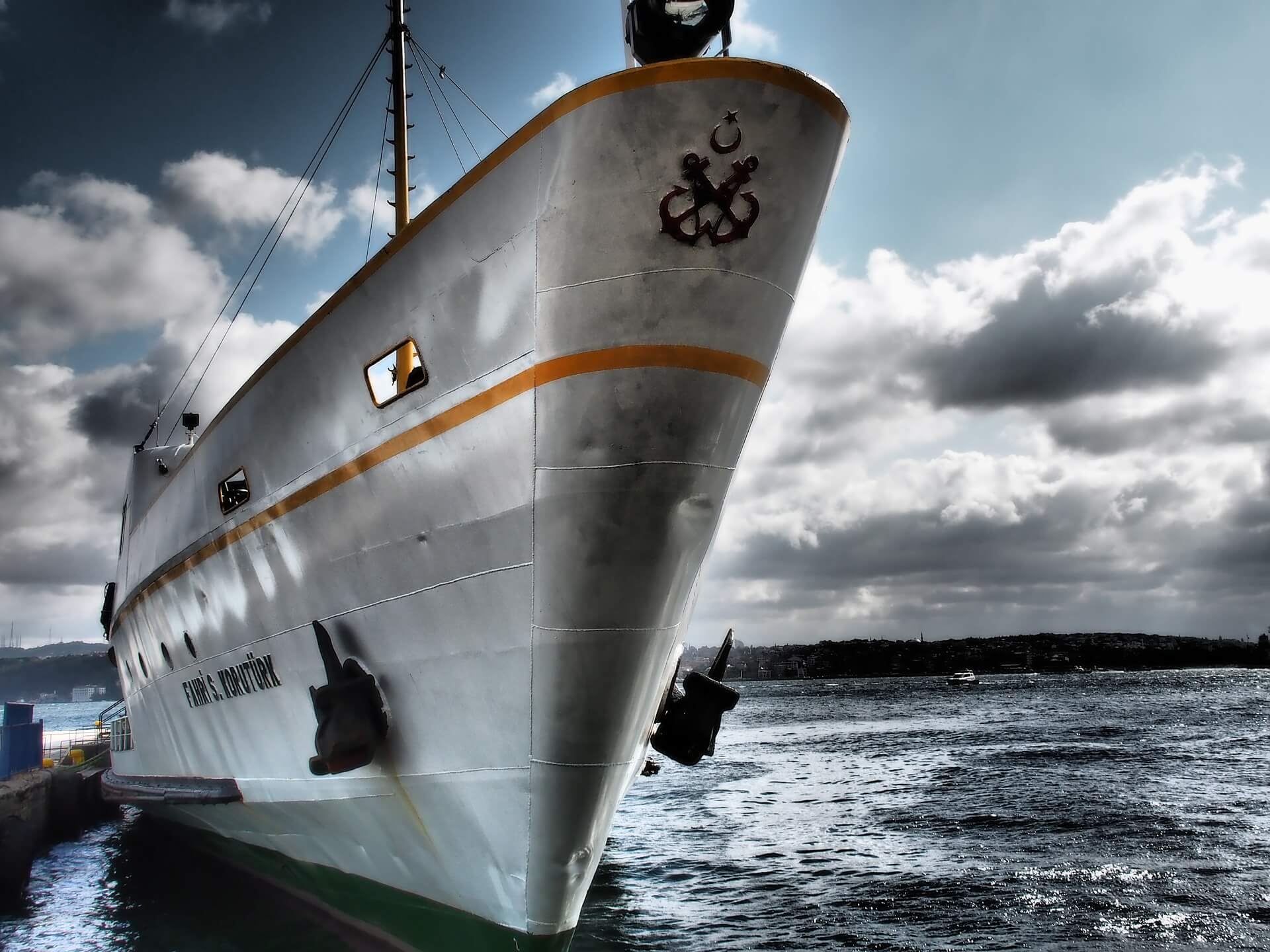
Main image: Ferry. Photo: Pixabay.


