Trains vs. Flights for Traveling in Europe – Pros and Cons
Public transport in Europe is advanced and accessible, and many travelers debate whether to choose fast flights or comfortable trains. In this article we’ll review the advantages and disadvantages of each option to help you choose correctly.
Click here to join the WhatsApp group and get ‘Flight Hunter’ content
Advantages of Trains
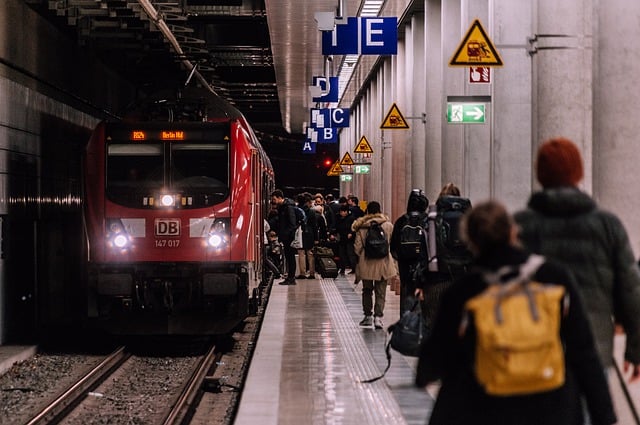
- Central stations Train stations are usually located in city centers, allowing easy access to tourist hotspots. There’s no need for extra journeys from remote airports.
- Easy, fast process No need for tedious security checks or arriving hours before departure.
- Spectacular views along the way A train journey gives you the chance to enjoy views of nature and cities, especially on popular routes in Switzerland, Italy or France.
- Environmentally friendly Trains are considered a green means of transport, with low carbon emissions compared with flights.
- Comfort Spacious seats, freedom to move between carriages and the option to bring more luggage at no extra cost.
- Internet Usually on a train journey you can stay connected on your phone – convenient and makes the trip easier, especially on long journeys.
Disadvantages of Trains
- Price In many cases, high-speed trains such as the Eurostar and TGV may be more expensive than low-cost flights.
- Long travel times Travel between distant cities can take many hours, requiring advance planning and more time.
- Limited availability Not all cities are connected by direct lines, and sometimes many changes are needed.
Advantages of Flights
- Speed Over long distances, flights are the fastest way to get from one destination to another.
- Low price Low-cost airlines such as Ryanair and EasyJet offer very cheap tickets if you book in advance.
- Connectivity between countries Flights let you reach especially remote destinations not connected to the rail network, such as Iceland, Norway or Eastern Europe.
Disadvantages of Flights
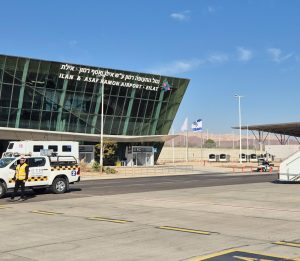
- Remote airports Many airports in Europe are located outside cities, requiring extra time and money for transfers.
- Long, tedious processes Security screening, waiting for takeoff and check-in requirements increase the total journey time.
- Extra fees Low-cost airlines may add charges for suitcases, seat selection or even check-in fees. When to choose each option? Trains: suitable for travel between nearby cities or in central Europe (for example, Paris–London, Rome–Florence). Anyone who prefers a relaxed journey and scenery will also find an advantage in the train. Flights: ideal for long journeys between distant countries (for example, Madrid–Berlin), or when travel time is a critical factor.
Flight Hunter Comparison by Parameters
| Parameter | Trains | Flights |
| Travel time | Suitable for short–medium distances | Faster over long distances |
| Price | Sometimes more expensive | Cheaper when booked in advance |
| Comfort | More space and freedom of movement | Sometimes cramped |
| Environment | Low emissions | Less environmentally friendly |
| Scenery on the way | An integral part of the experience | Views only at takeoff and landing |