


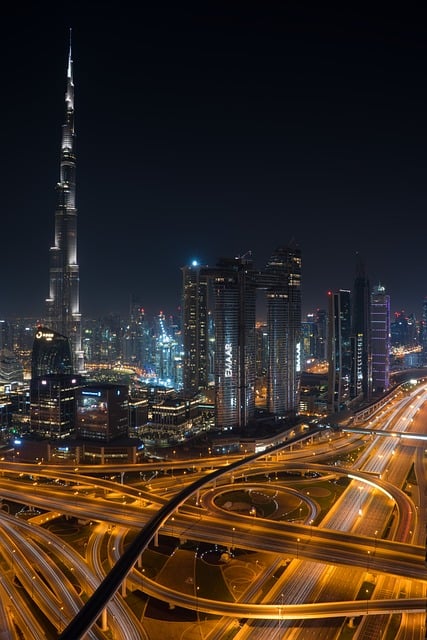
Dubai has some of the most modern roads in the world: wide multi-lane highways, smooth surfaces and clear signs in Arabic and English. Renting a car gives you the freedom to explore the city, the desert and nearby emirates at your own pace. But the rules are strict and enforced by cameras everywhere, so it pays to know them before you pick up the keys. Here is what you need to know about driving in Dubai.
Legal requirements
Driving licence
Visitors can drive in Dubai with a valid licence, but which licence you need depends on your country. Tourists from some countries can drive with their home licence, while others need an international driving permit (IDP) as well. Check the latest rules with your rental company before you travel. Long-term residents must get a UAE licence. If you need an IDP, see how to obtain an international driving licence.
Insurance
Rental cars come with the mandatory basic insurance, but consider additional cover to reduce your excess. Read the rental agreement carefully – our Dubai car rental guide explains the options.
Roads and rules
- Drive on the right: traffic drives on the right-hand side of the road.
- Speed limits: usually 60 to 80 km/h in the city and 100 to 120 km/h on highways, sometimes higher on certain roads. Limits are clearly posted.
- Cameras everywhere: speed, red-light, lane and even mobile-phone cameras operate across the city, and fines are high.
- Zero tolerance for alcohol: any alcohol in your blood while driving is illegal and penalties are severe.
- Seat belts and phones: all passengers must wear seat belts, and using a phone while driving is prohibited.
- Keep your distance: tailgating is fined, and Dubai’s traffic can change quickly, so stay alert.
Tolls and parking
- Salik tolls: Dubai’s electronic toll gates charge automatically as you drive through. Rental companies usually add the charges to your bill.
- Parking: most street parking is paid, by meter or through the official RTA app. Malls and hotels usually have large car parks.
- Fuel: petrol stations are plentiful, and attendants usually fill the tank for you.
Special driving experiences
Dune driving
Driving on the desert dunes is thrilling but requires a 4×4 and real off-road skills – rental agreements usually forbid it. Book a desert safari with an experienced driver instead.
Supercars
Dubai’s streets are full of Ferraris and Lamborghinis, and you can rent one for a day. Remember that powerful cars demand experience, and the cameras do not care what you are driving.
Electric cars
Electric vehicles are increasingly popular, with charging stations around the city.
Driving from Dubai to Abu Dhabi
The two cities are about 140 km apart, usually a drive of one and a half to two hours depending on traffic. The main route is the E11 (Sheikh Zayed Road), a fast, modern highway with rest stops along the way. For the other end of the road, see our Abu Dhabi car rental and driving tips and our Abu Dhabi travel guide.
Tips for driving in Dubai
- Use navigation: junctions and exits come up fast, and missing one can mean a long detour.
- Avoid rush hour: roads into and out of the city are busy in the morning and late afternoon.
- Check the car before you leave: photograph any existing damage.
- Keep cool: in summer, never leave children, pets or electronics in a parked car.
With good preparation, driving in Dubai is safe and enjoyable. Planning your trip? Check the weather in Dubai month by month and our guide to the souks in Dubai.


