
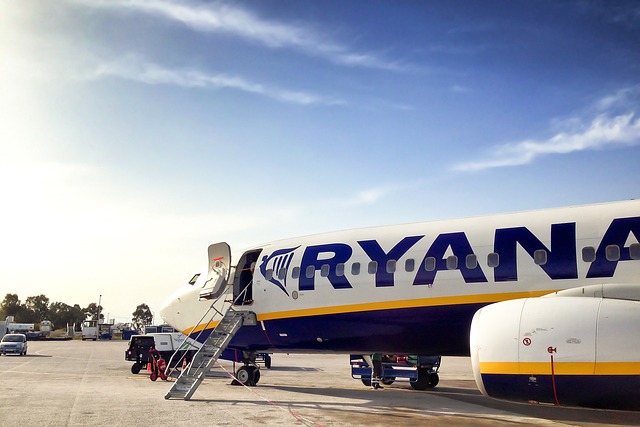
Low-cost airlines have transformed the way we travel. Flights that once cost a fortune are now available for the price of a dinner out, and weekend city breaks abroad have become routine for millions of people. But how do budget airlines keep their fares so low, and what should you know before you book?
What is a low-cost airline?
A low-cost carrier (LCC) is an airline that sells tickets for much less than traditional “legacy” airlines by stripping its service down to the basics and charging separately for extras. The best-known examples include Ryanair, easyJet and Wizz Air in Europe, and Southwest Airlines in the United States.
How low-cost airlines keep fares down
Unbundled fares
The basic ticket includes a seat and a small personal bag – and that is it. Cabin bags, checked luggage, seat selection, food and drinks all cost extra. Passengers who travel light pay very little; those who want more pay for it.
A single aircraft type
Most budget airlines fly just one aircraft family, usually the Airbus A320 or Boeing 737. That keeps maintenance, spare parts and crew training simple and cheap.
Fast turnarounds and busy aircraft
Planes spend as little time on the ground as possible – often around 25 minutes between landing and take-off – and fly many short trips a day. Seats are packed more tightly, so each flight carries more passengers.
Cheaper airports
Some low-cost airlines use secondary airports, which charge lower fees, even if they are further from the city centre.
Direct sales and point-to-point routes
Tickets are sold mainly through the airline’s own website and app, avoiding agent commissions. Flights are point-to-point rather than through hubs, so there are no costly connections to manage.
Pros and cons of flying low-cost
The advantages
- Low prices: it is possible to fly abroad very cheaply, especially when you book early.
- More destinations: budget airlines often fly direct routes that legacy airlines do not.
- Pay for what you use: you choose only the extras that matter to you.
The drawbacks
- Less comfort: tighter seats and fewer services on board.
- Extra costs add up: bags, seats and fees can make a cheap ticket expensive. See is paying for a carry-on worth it?
- Remote airports: the cost and time of getting into town can wipe out the savings.
- Strict rules: oversized bags and missed online check-in can mean steep charges at the airport.
Tips for flying low-cost
- Compare the final price: add bags and seats before comparing with a full-service airline.
- Measure your bag at home: size limits are enforced at the gate.
- Check in online on time: see our guide to online check-in on low-cost airlines.
- Buy extras at booking: they almost always cost more if added later or at the airport.
Low-cost airlines have changed the rules of the game, and with a little planning they offer excellent value. Two useful reads before you book: five common mistakes on low-cost flights and regular, charter and low-cost flights compared.